

When a group includes vegetarian, vegan and meat-eating guests, the easiest starting point is a shared menu with clearly separated choices. Everyone should be able to build a complete meal and understand what is on the table.
For an office lunch, family gathering or celebration in Mesa or Tempe, Princess Pita offers plant-based dishes alongside our halal meat options. Here is how to organize the order without treating every dietary need as the same thing.
Our falafel is listed as vegan and vegetarian, and a Falafel Tray is available on the catering menu. Use it as a starting point for guests who do not eat meat, rather than expecting them to make lunch from the garnish on another tray.
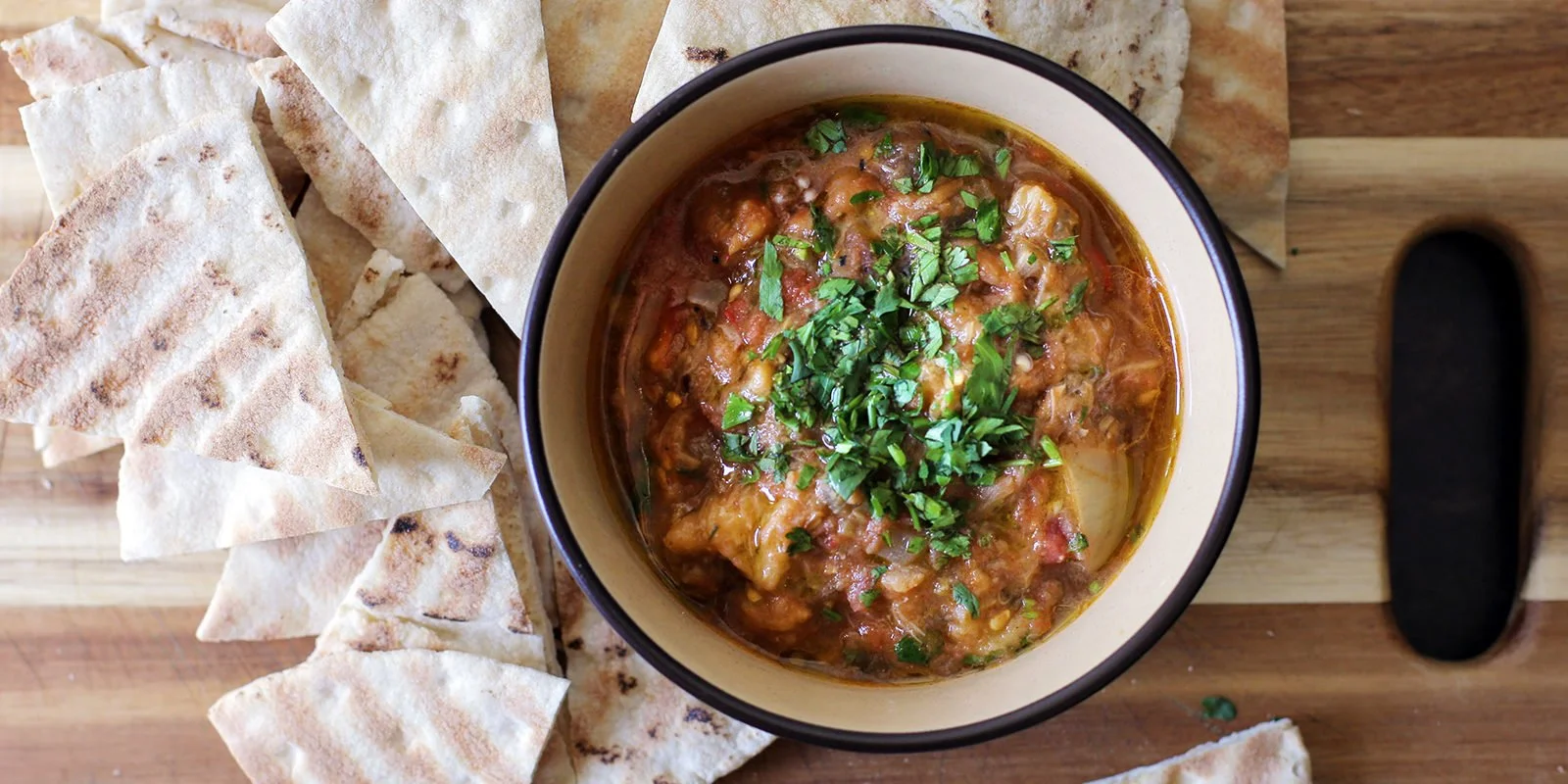
Add complementary dishes with different textures. For example, falafel, hummus, Arabic salad and pita can form the basis of a plant-based spread. Confirm the current ingredients and accompaniments for the order, particularly when an ingredient must be avoided.
This is a menu idea, not a fixed package. The right tray sizes depend on the number of people eating and what else you plan to serve.
A dish can be vegetarian without being vegan. Our Greek salad contains feta, and tzatziki is a yogurt-based sauce. Those details matter when you are choosing food for someone who avoids dairy.
The menu describes Arabic salad, tabouleh and fattoush as vegan options. They are still different dishes: tabouleh includes bulgur wheat, and fattoush includes pita chips. Vegan does not mean wheat-free or gluten-free.
Keep sauces separate when arranging the buffet so guests can make their own choices. Ask the restaurant about ingredient details instead of assuming a sauce fits a dietary requirement from its name or appearance.
Vegetarian, vegan, halal and gluten-free describe different things. None of those labels, by itself, establishes that a food is suitable for someone with a particular allergy.
Examples to discuss before ordering include:
This is not a complete allergen list. Recipes, garnishes and preparation practices all matter. The FDA identifies sesame, milk, wheat and tree nuts among the major food allergens.
For a guest with a food allergy or celiac disease, speak directly with the restaurant before ordering. Explain what must be avoided and ask about ingredients, shared preparation equipment and cross-contact. Do not rely on a buffet label or an online description as a guarantee of suitability. If a requirement cannot be met, make a separate plan with the guest.
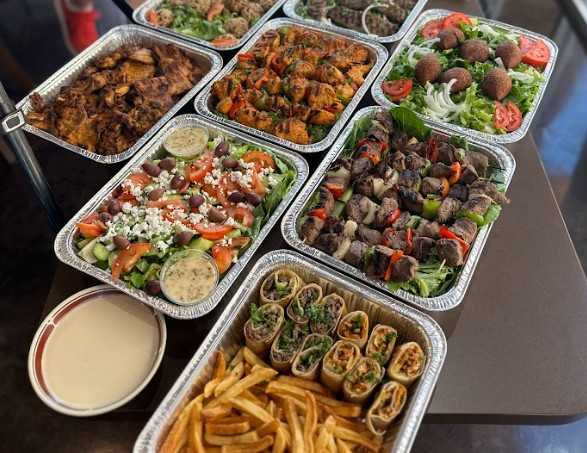
For guests who eat meat, our halal menu includes options such as chicken shawarma, beef shawarma and chicken kabab. These can sit alongside the vegetarian dishes as separate choices.
Allocate enough of the vegetarian main for the people relying on it, plus any additional guests who want it. Keep meat trays and their utensils distinct from the falafel and other plant-based dishes. Serving separately helps guests navigate the meal, but it does not replace any kitchen precautions required for an allergy.
An easy menu to discuss with the location is one meat main, falafel, two contrasting sides and a dip. Add more variety when the event calls for it, rather than ordering one of everything without checking quantities.
Use the actual dish names on the buffet. If the restaurant has confirmed a dietary description for your order, include it accurately. Keep any ingredient information supplied by the restaurant available for guests to read.
Avoid vague labels such as “safe for everyone” or “allergy-friendly.” They do not tell a guest what is in the food. Give each dish its own utensil, and ask people not to move utensils between trays.
For guests whose meal needs to remain separate, agree on the handling plan with both the guest and the restaurant before the event. Do not improvise it once everyone is serving themselves.
Before submitting a mixed-diet catering order, confirm:
Start with the Princess Pita catering menu, then contact your chosen Mesa or Tempe location about the details that matter to your guests.
You must be logged in to post a comment.